
The CISO’s Guide to Board Reporting
For many CISOs, the board presentation is the most consequential 20 minutes of the quarter. It shapes how directors perceive security risk, how much they’re willing to invest and how much they trust the security leader. Yet most CISOs receive little guidance on how to build a board report that works.
This guide covers the practical side: what to include, how to structure it, how often to report and how to handle the hardest moments.
Know your audience and your mandate
Start by clarifying which body you report to. Some boards handle cyber risk as a full board; many delegate oversight to an audit or risk committee, with periodic updates to the full board. Ask the committee chair what they want to see, how much time you’ll have and what decisions they expect to make. Public companies should also coordinate with legal and finance, since regulators increasingly expect disclosure about how boards oversee cybersecurity risk.
A proven report structure
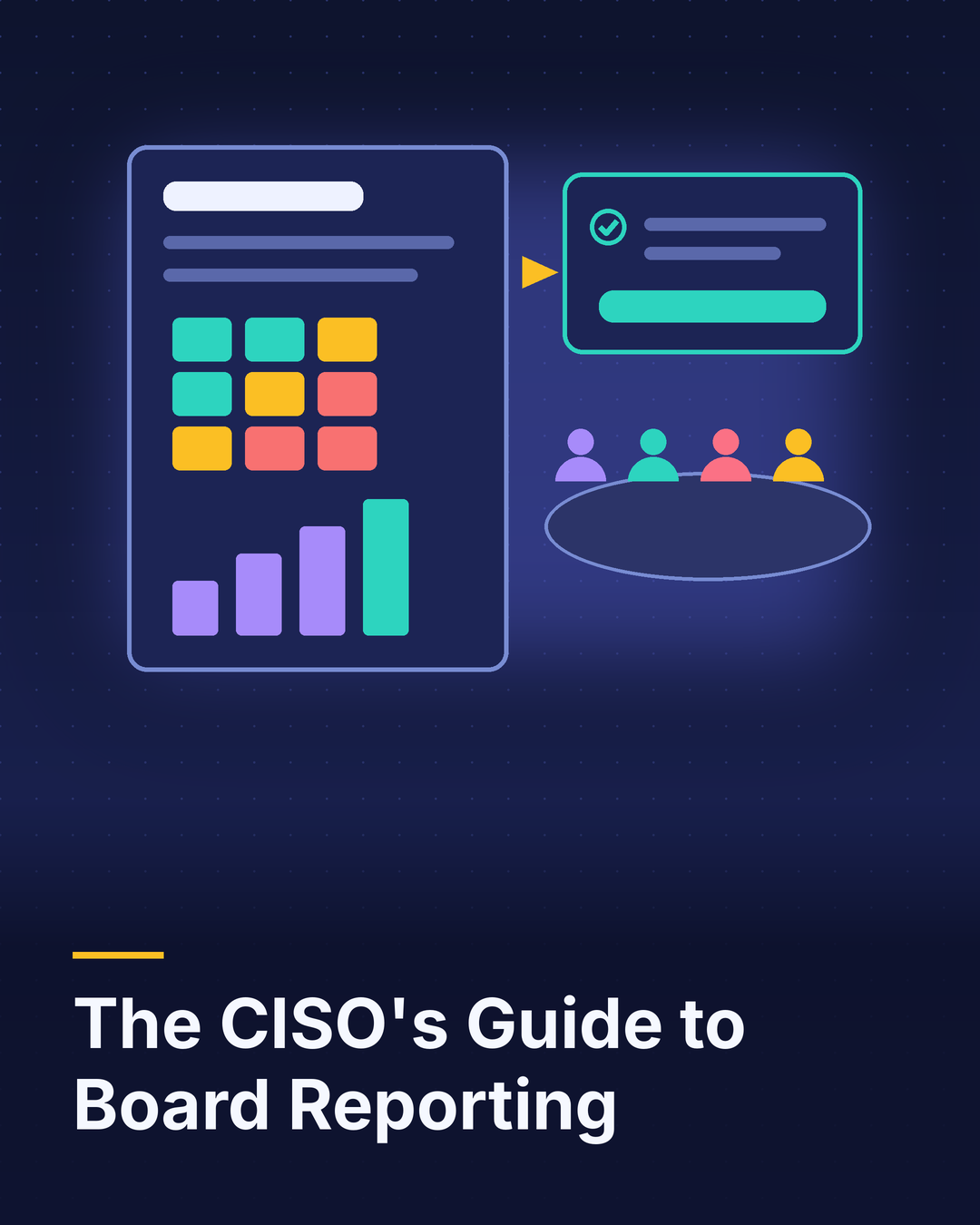
A consistent structure helps directors track progress over time. A strong quarterly report fits on a handful of slides or pages:
1. Executive summary. Three to five sentences on overall risk posture, what changed since the last meeting and any decision needed. Many directors will read only this, so make it count.
2. Top risks. The five to seven most significant cyber risks to the business, each described in business terms with likelihood, potential impact, trend and the owner responsible.
3. Program progress. Status of major initiatives against plan, such as identity modernization, backup resilience or vendor risk improvements, with clear indicators of on track, at risk or delayed.
4. Key metrics. A small set of outcome-focused measures shown as trends over several quarters.
5. Incidents and threat landscape. Significant incidents since the last report, lessons learned, and external threats relevant to your industry, kept brief and specific.
6. Decisions and asks. Budget requests, risk acceptance decisions or policy approvals, with options and trade-offs clearly laid out.
Choosing metrics that matter
Avoid operational counts like blocked attacks or total vulnerabilities, which say little about risk. Better choices include:
- Phishing-resistant MFA coverage for privileged and high-risk users
- Time to detect and contain incidents
- Percentage of critical systems with tested, isolated backups and recent restore tests
- Time to patch critical, internet-facing vulnerabilities
- Percentage of high-risk vendors assessed
- Results of tabletop exercises and remediation of findings
Each metric should have a target, a trend and an explanation of why it matters.
Set a sensible cadence
Most organizations report to the responsible committee quarterly and to the full board at least annually. Agree in advance on what triggers an out-of-cycle update, such as a material incident, a major regulatory development or a significant change in risk. Never let the board learn about a serious incident from the news.
Handling difficult moments
Bad news. Report problems early and plainly, along with the plan to address them. Directors forgive setbacks more readily than surprises.
Tough questions. If you don’t know the answer, say so and commit to a follow-up date.
“Are we secure?” Explain that no organization is fully secure, then describe current risk levels relative to the company’s risk appetite and how that’s improving.
Build trust between meetings
Brief the committee chair before each meeting, invite directors to incident response exercises and offer short education sessions on emerging risks such as AI-driven attacks. Strong relationships make every board conversation more productive.
The bottom line
Effective board reporting isn’t about impressing directors with technical depth. It’s about giving them a clear, consistent and honest view of cyber risk so they can fulfill their oversight role. CISOs who master that discipline earn credibility, influence and the resources to protect the business.